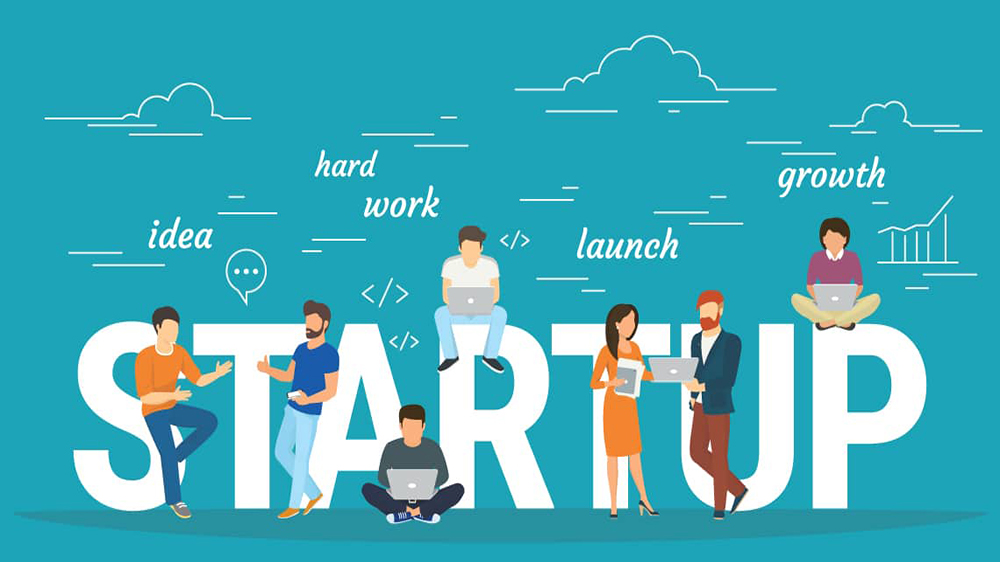





Every successful venture begins with a blueprint. A strong startup plan acts as a compass, guiding founders through uncertainty and helping transform ideas into tangible achievements. Without it, even the most promising concepts risk faltering. Crafting this plan requires strategy, insight, and a commitment to clarity that sets the stage for long-term success.

Define Your Vision and Mission
The first step in creating a strong startup plan is articulating a clear vision and mission. Your vision represents the ultimate destination, while the mission outlines the purpose driving every decision. Together, they provide a north star that keeps your team aligned and focused. This foundational clarity ensures that every subsequent step in your business steps guide contributes to a cohesive objective.
Conduct Market Research
Knowledge is power, especially in the startup world. Understanding your target market, customer needs, and competitive landscape is crucial. Effective market research uncovers opportunities, identifies potential threats, and validates your concept before major investments. By incorporating these insights into your strong startup plan, you build a strategy grounded in reality rather than assumptions.
Define Your Value Proposition
A business that thrives delivers unique value. Identify what sets your offering apart and why customers should choose you over competitors. This step strengthens your future growth path by establishing a clear differentiation in the market. A compelling value proposition resonates with your audience and provides the foundation for marketing, sales, and operational strategies.
Outline Operational Strategies
Execution determines success. Your strong startup plan should include detailed operational strategies, from production and logistics to customer service and quality control. Consider which resources, technologies, and processes are essential for efficient operations. Clear operational planning minimizes bottlenecks and ensures your team can scale effectively as the business grows.
Develop a Financial Blueprint
Finance is the lifeblood of any startup. Budgeting, forecasting, and identifying funding sources are critical components of a business steps guide. A well-structured financial plan clarifies capital requirements, revenue expectations, and cost management. Incorporating smart success hacks such as phased investments or lean spending ensures resources are used efficiently and reduces the risk of early cash flow challenges.
Build a Marketing and Sales Strategy
A brilliant product alone cannot sustain a business. Strategic marketing and sales plans are essential to reach your target audience and drive revenue. Outline channels, messaging, campaigns, and partnerships that align with your future growth path. Integrating analytics and feedback loops allows you to refine strategies over time, turning initial efforts into measurable success.
Identify Key Milestones
Milestones provide checkpoints that track progress and maintain momentum. Establish clear, achievable goals for product development, customer acquisition, revenue targets, and operational benchmarks. These markers are vital to a strong startup plan because they break down the journey into actionable steps and provide motivation through visible progress.
Create a Risk Management Framework
Uncertainty is inherent in startups. A robust business steps guide anticipates potential risks, from market shifts to operational failures. Identify contingencies, establish backup plans, and prepare for challenges before they arise. Proactive risk management preserves resources, safeguards reputation, and ensures your future growth path remains uninterrupted.
Assemble the Right Team
A business is only as strong as its people. Define roles, responsibilities, and the culture you aim to cultivate. Hiring strategically ensures that your team aligns with your mission and brings complementary skills. Strong leadership and collaborative teamwork are smart success hacks that enhance execution and accelerate growth.
Refine and Iterate
No plan is perfect from the outset. Treat your strong startup plan as a living document, open to adjustments based on market feedback, performance metrics, and evolving opportunities. Iteration demonstrates adaptability and ensures your business remains relevant, competitive, and prepared for scaling along your future growth path.
Align with Long-Term Vision
Every component of your startup plan should reflect long-term objectives. Short-term tactics must support overarching goals. This alignment ensures cohesion across operations, marketing, finance, and team efforts. A startup with clarity, discipline, and focus transforms its business steps guide into a roadmap for enduring success.
Final Thoughts
Building a startup is a thrilling challenge, but success begins with meticulous preparation. A strong startup plan serves as both blueprint and compass, guiding founders through the complex journey of entrepreneurship. By following a detailed business steps guide, incorporating smart success hacks, and aligning actions with a future growth path, entrepreneurs can convert ideas into sustainable ventures.
Success is never accidental. It is the outcome of thoughtful planning, disciplined execution, and a willingness to adapt. With the right strategy, every startup can navigate uncertainty, overcome obstacles, and achieve the growth it envisions.