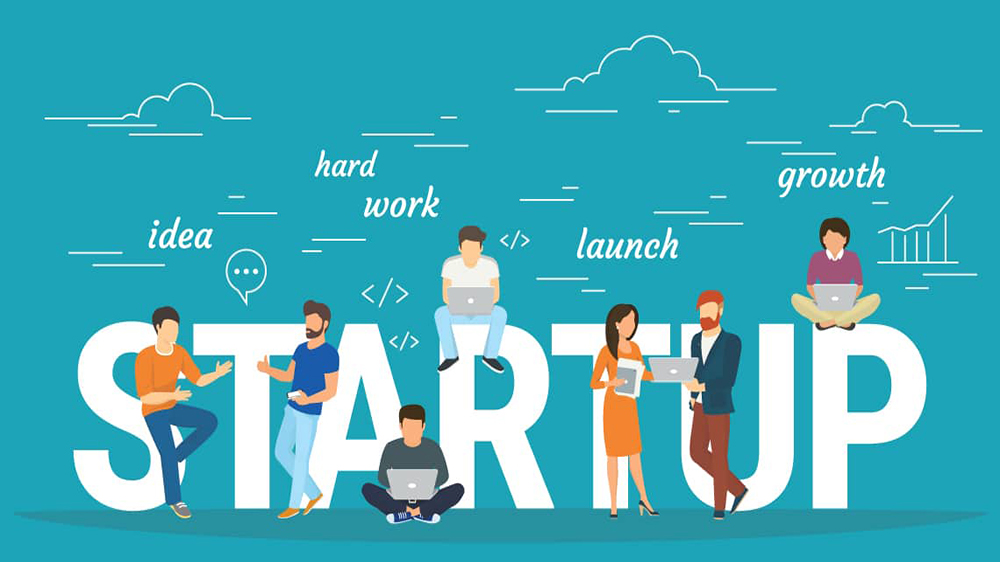





Growth in business is not just about scaling numbers on a chart. It is about forging a path that is intentional, balanced, and deeply aligned with long-term goals. To truly master growth the smart business way, leaders must embrace a mix of strategic foresight, practical execution, and a willingness to adapt. Growth is not a single leap; it is a journey paved with clarity, resilience, and purpose.

The Foundation of Smart Growth
Every successful journey begins with a solid foundation. In business, this foundation comes from a clear understanding of vision and values. Without direction, growth can easily spiral into chaos. To embrace smart business growth, organizations must commit to structured planning, thoughtful risk-taking, and continuous innovation. Rather than chasing every opportunity, the focus should be on identifying ventures that align with core goals.
Businesses that prioritize focus over frenzy find themselves growing with stability. They invest in relationships with customers, partners, and employees that create lasting value. Growth, in this sense, is not simply quantitative but qualitative.
The Role of Strategy
Growth without strategy is like navigating uncharted waters without a compass. A strategic success plan allows leaders to anticipate challenges, allocate resources effectively, and create systems that are both efficient and adaptable. This plan is not meant to be rigid. It should evolve as markets shift, technologies advance, and customer behaviors transform.
The best strategies are those that look ahead, not just at the current quarter but years into the future. They factor in sustainability, scalability, and resilience. Strategic leaders analyze data, learn from competitors, and design systems that minimize wasted effort.
Methods That Drive Real Progress
While strategy provides the roadmap, execution demands precision. Businesses must identify and apply effective growth methods to turn ambition into reality. These methods often include building a strong digital presence, leveraging analytics, optimizing supply chains, and maintaining customer-centric approaches.
Effective growth also comes from disciplined experimentation. Not every initiative will succeed, but the lessons drawn from failure often lead to stronger innovations. Companies that embrace trial and refinement are more likely to achieve breakthroughs that set them apart.
Another essential method is cultivating leadership at every level. Growth cannot depend solely on top executives. Empowering employees with knowledge, trust, and responsibility creates a culture of ownership. When everyone feels invested in outcomes, growth becomes a collective mission.
Sustainability in Business
Growth that burns bright but fades quickly is of little value. The true challenge is walking a sustainable business path where progress can be maintained over time without exhausting resources or compromising values. Sustainability requires balancing profitability with responsibility. Businesses must account for environmental impacts, social obligations, and ethical considerations.
Customers today reward companies that are transparent and conscientious. Sustainability is no longer a mere talking point; it is an expectation. A sustainable path ensures that growth benefits not only the company but also the communities and ecosystems it touches.
Innovation as a Catalyst
No discussion of growth is complete without innovation. Stagnation is the enemy of progress. Forward-thinking organizations continuously reimagine their products, services, and processes. Innovation fuels expansion, strengthens competitive advantage, and keeps businesses relevant in an ever-changing world.
The smartest leaders treat innovation not as a side project but as a cultural pillar. They create environments where creativity is encouraged, where employees feel free to pitch ideas, and where experimentation is celebrated rather than feared. Innovation is the spark that keeps growth alive and vibrant.
Balancing Agility with Stability
One of the most challenging aspects of growth is finding the balance between agility and stability. Too much rigidity stifles creativity. Too much flexibility can scatter focus. The art of smart business growth lies in knowing when to pivot and when to stay the course.
Agile businesses respond swiftly to market changes, but they do so with strategic intent. They listen to customer needs, adapt to technological advances, and remain open to partnerships that expand their reach. At the same time, they maintain stable systems that ensure consistency, trust, and reliability.
Building for the Long Horizon
True mastery of growth is about more than quarterly earnings. It is about legacy. A strategic success plan that prioritizes both immediate wins and long-term sustainability ensures that businesses do not just survive but thrive for decades.
This requires a mindset shift. Leaders must think beyond the present moment and design systems that can withstand volatility. Long-horizon thinking incorporates adaptability, resilience, and foresight, ensuring that growth is not fleeting but enduring.
The Human Element of Growth
Behind every business strategy and every innovative method are people. Employees, customers, and partners are the heartbeat of progress. Growth thrives when people are valued, motivated, and empowered. Effective communication, recognition of contributions, and investment in personal development build loyalty and drive performance.
Leaders who focus solely on numbers miss the larger picture. Growth is human-driven. A motivated team with shared purpose is an unstoppable force in achieving business success.
Conclusion
To master growth the smart business way is to embrace foresight, strategy, sustainability, and people-first values. By committing to smart business growth, developing a strategic success plan, applying effective growth methods, and walking a sustainable business path, leaders ensure that progress is not just achieved but sustained.
Growth, when approached with wisdom and balance, becomes more than expansion. It becomes a journey of resilience, creativity, and long-lasting impact. The businesses that understand this truth will not only grow but will stand as enduring pillars in the evolving landscape of commerce.