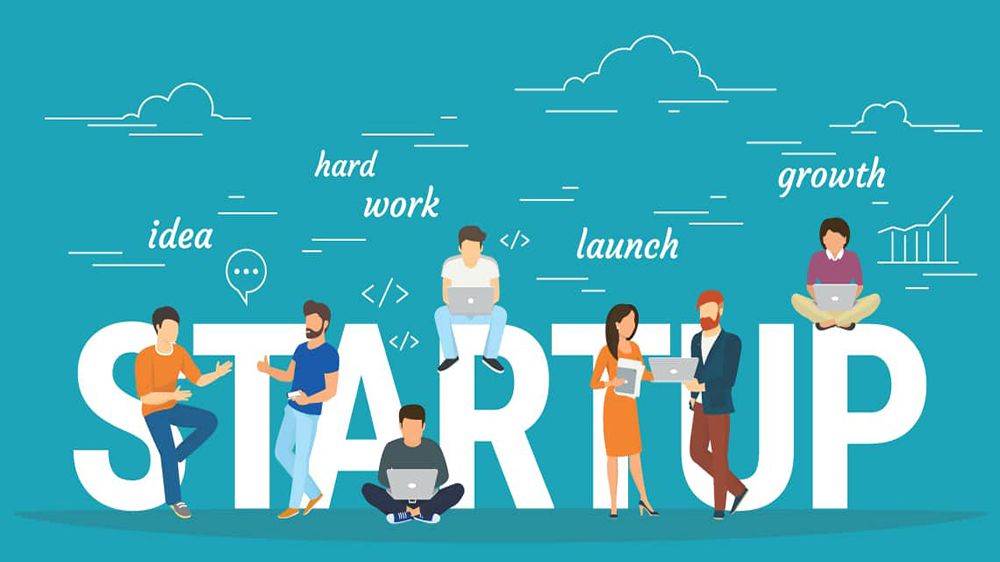





In the dynamic landscape of modern business, challenges are inevitable. Companies face unexpected market shifts, operational bottlenecks, and evolving client expectations daily. The organizations that thrive are not necessarily the largest or the fastest, but those adept at creative problem solving. This approach transforms obstacles into opportunities, fostering innovation, agility, and long-term success.

Embracing a Mindset of Innovation
Creative problem solving begins with mindset. Leaders and teams must cultivate an environment where curiosity and experimentation are valued over rigid adherence to conventional methods. Problems are reframed not as setbacks but as chances to innovate. Encouraging diverse perspectives and open dialogue fuels solutions that may not emerge from traditional thinking.
A key principle is removing fear of failure. In a culture where employees feel safe to propose unconventional ideas, the smart idea flow becomes a continuous stream of potential solutions. Each idea, no matter how tentative, contributes to a larger pool of strategies that can be refined and implemented effectively.
Utilizing Business Solution Hacks
Efficiency is crucial when addressing complex challenges. Implementing business solution hacks allows companies to streamline processes, optimize resources, and respond rapidly. These hacks may involve leveraging technology, automating repetitive tasks, or reorganizing workflows to eliminate friction.
For example, project management tools can centralize communication, ensuring that team members remain aligned and obstacles are addressed in real-time. Similarly, data analytics can reveal hidden patterns or inefficiencies that traditional approaches might overlook. By combining insight with agility, businesses create solutions that are both innovative and practical.
Encouraging Innovative Thinking
A culture of innovative thinking tips is essential for sustainable problem solving. Teams should be trained to approach challenges from multiple angles, question assumptions, and envision possibilities beyond immediate constraints. Brainstorming sessions, design thinking workshops, and cross-department collaboration are powerful methods to cultivate this mindset.
When employees are encouraged to explore “what if” scenarios and propose radical alternatives, organizations can anticipate potential challenges before they escalate. Innovative thinking also enhances adaptability. Companies that routinely practice creativity are better positioned to pivot when market conditions change or new competitors emerge.
Integrating a Smart Idea Flow
Maintaining a continuous smart idea flow ensures that problem-solving is proactive rather than reactive. Ideas should be captured, evaluated, and tested regularly, rather than waiting for crises to force action. This flow can be facilitated through suggestion platforms, collaborative software, and regular innovation meetings where employees at all levels contribute.
A smart idea flow also thrives on iteration. Initial concepts may require multiple refinements before becoming feasible solutions. Feedback loops from stakeholders, clients, and team members help in fine-tuning approaches, ensuring that the final implementation is both effective and sustainable.
Turning Challenges into Opportunities
Creative problem solving is not just about addressing issues; it is about identifying opportunities hidden within challenges. A production delay, for instance, can prompt a review of supply chain management, leading to more resilient processes. A client complaint might reveal new product features or service improvements that differentiate the company in the market.
By approaching problems with curiosity and resourcefulness, businesses can convert obstacles into growth avenues. This mindset aligns with innovative thinking tips, ensuring that every challenge serves as a potential catalyst for progress rather than a hindrance.
Collaboration and Diversity
Collaboration amplifies the impact of business solution hacks. Teams composed of diverse skill sets, experiences, and perspectives are more likely to generate comprehensive solutions. When departments that traditionally operate in silos share insights, it uncovers blind spots and enhances overall strategy.
Diversity of thought is particularly valuable in complex problem solving. Creative solutions often emerge at the intersection of varied experiences. By encouraging cross-functional engagement, businesses can harness collective intelligence to generate outcomes that are both inventive and practical.
Measuring Impact and Learning
The final step in creative problem solving is evaluating results. Metrics should not only assess the effectiveness of the solution but also the efficiency and adaptability of the process itself. Continuous evaluation helps in identifying successful business solution hacks that can be standardized and scaled across the organization.
Learning from both successes and failures ensures ongoing refinement. By documenting insights, companies establish a repository of strategies and approaches that can be applied to future challenges. This iterative learning process reinforces a culture of smart idea flow, keeping innovation at the forefront of business operations.
Sustaining a Creative Edge
Sustaining innovation requires deliberate effort. Companies must invest in training, tools, and processes that encourage ongoing experimentation. Celebrating creative successes and integrating lessons learned from failures promotes a resilient and agile organizational culture.
Additionally, external collaboration with industry peers, mentors, or innovation hubs can infuse fresh perspectives into internal problem-solving processes. Engaging with broader networks helps companies anticipate emerging trends and incorporate cutting-edge approaches into their innovative thinking tips.
Conclusion
Solving problems the creative business way transforms challenges into strategic advantages. By prioritizing creative problem solving, applying practical business solution hacks, embracing innovative thinking tips, and maintaining a smart idea flow, organizations build resilience, adaptability, and long-term growth.
In an era of rapid change and heightened competition, creativity is not optional—it is essential. Companies that cultivate a culture of exploration, collaboration, and continuous improvement are equipped to navigate uncertainty and seize opportunities that others may overlook. Creative problem solving is, therefore, both a mindset and a practice, driving sustainable success and positioning businesses to thrive in the ever-evolving market.